
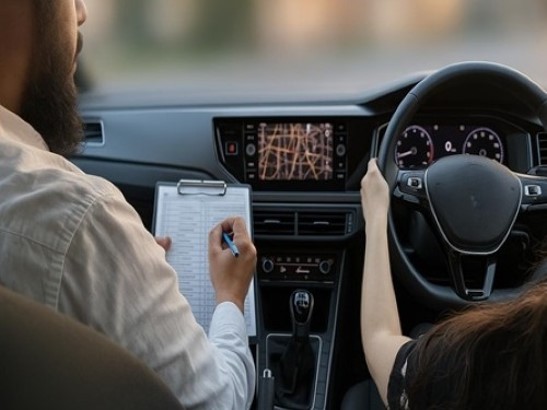
There is one thing examiners do not officially grade, yet it shapes almost every decision you make on the road. Patience. Real, boring, unglamorous patience.
Most new drivers focus on the technical stuff. Clutch control. Mirror checks. Parallel parking. All important, sure. But the drivers who feel calm and natural years later, the ones people actually want to be passengers with, they mastered something else entirely. They learned how to wait without getting frustrated.
Think about merging traffic. Think about a pedestrian who is taking forever to cross. Think about the driver ahead who brakes a little too cautiously. None of these moments require skill in the traditional sense. They require patience.
Where This Habit Actually Begins
A solid driving instructor spends more time shaping mindset than most learners realize. Sure, they teach you how to handle a roundabout or reverse around a corner. But underneath all of that, they are quietly training your reactions. How you respond when someone cuts you off. How you handle a red light that takes forever. How you stay calm when your nerves spike for no clear reason.
This part of learning rarely gets discussed because it is not something you can put on a checklist. You either pick it up gradually, lesson after lesson, or you carry impatience with you onto the road long after passing your test.
Small Moments That Build Big Habits
Here is something worth trying. Next time you are in traffic and someone hesitates ahead of you, instead of feeling annoyed, just notice your own reaction. Are you tensing up? Sighing? Tapping the wheel? These tiny moments add up over years of driving.
A good driving course does not just teach you how to operate a vehicle. It teaches you how to exist calmly inside one, surrounded by unpredictable humans making unpredictable choices every single day.
Patience on the road is not about being a pushover. It is about understanding that everyone around you is figuring things out too, just like you once did. The driver who lets someone merge without honking, the one who waits an extra second at a junction just to be sure, that is not weakness. That is mastery wearing a quiet disguise.
So the next time you feel your patience slipping behind the wheel, remember that this skill was always part of the lesson, even if nobody ever wrote it on the syllabus.
Leave a Reply