
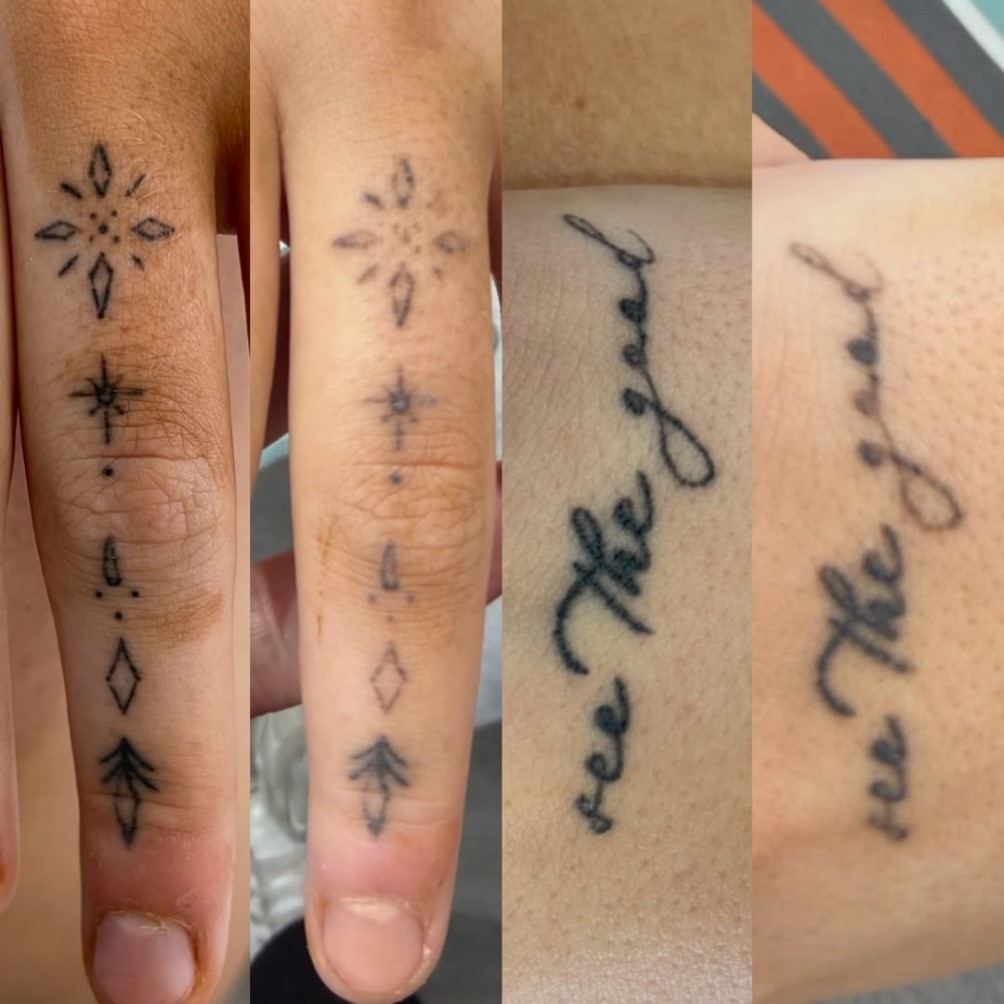
Getting a tattoo can feel like a great idea at the time. Then life changes, tastes change, or you simply look at an old piece and think, yeah, maybe that one has had its day. The good news is that tattoo removal has come a long way, although it is still not something that should be rushed. If you are considering professional tattoo removal, understanding how the process works and what your skin needs can make the whole experience feel much less daunting.
Every Tattoo Is A Bit Different
One thing people often forget is that there is no standard tattoo removal timeline. The size, colours, ink depth and age of the tattoo can all affect how it responds to treatment. Your skin type matters too, which is why a proper assessment before treatment is worth doing rather than simply guessing what will work.
Modern laser treatments target the ink beneath the skin and break it into much smaller particles. Your body then gradually clears those particles naturally. It sounds fairly simple, but the skin still needs time between sessions to recover and do its part.
Do Not Expect Overnight Results
This is probably the biggest thing to get your head around. Professional tattoo removal is generally a gradual process, not a quick fix. Some tattoos may fade quite noticeably over several sessions, while others can take considerably longer.
Spacing treatments properly is important because the skin needs time to heal and the body needs time to clear the fragmented ink. Trying to speed things up by treating the area too frequently is not a clever shortcut and may simply leave your skin irritated.
Ask Questions Before You Start
A consultation is a good opportunity to ask anything that has been sitting in the back of your mind. Ask what type of laser technology is being used, what sort of progress might be realistic for your tattoo and how you should prepare your skin beforehand.
It is also worth discussing whether your goal is complete removal or simply fading the tattoo enough for a cover up. Those are different goals and can influence how a treatment plan is approached. A good clinician should be happy to explain the options without making unrealistic promises.
Aftercare Actually Matters
Once a session is finished, looking after the treated area is pretty straightforward, but it still matters. Keep the skin clean and protected, avoid picking or scratching the area, and follow the aftercare advice you are given. Direct sun exposure should generally be avoided while the skin is recovering.
You may notice some redness, warmth or sensitivity afterwards. That can happen following laser treatment, but if something seems unusual or you are worried about the healing process, contact your treating professional rather than trying random internet remedies.
Choose Patience Over Pressure
Removing an unwanted tattoo can be an emotional thing as much as a cosmetic one. Maybe it reminds you of someone, a particular stage of life, or simply a decision you no longer recognise as yours. Whatever the reason, there is no need to feel embarrassed about wanting a change.
Take your time, get proper advice and give your skin the chance to respond naturally. With realistic expectations, suitable treatment planning and sensible aftercare, tattoo removal can be a steady step towards feeling more comfortable in your own skin.
Final Thoughts
The best approach is simple: understand the process, ask questions, look after your skin and do not expect instant results. A little patience can make the journey much easier, and sometimes giving yourself a fresh start is exactly what you need.


Leave a Reply