
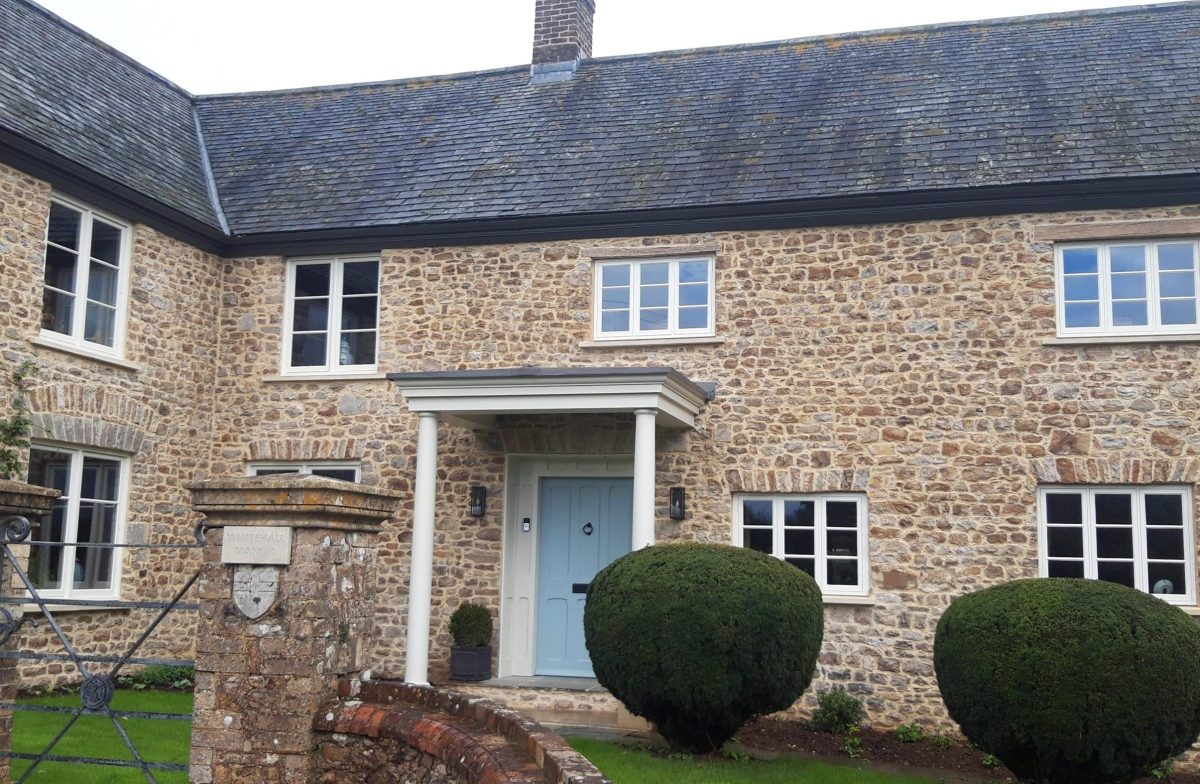
There is something genuinely appealing about an older home. It might be the original stonework, traditional doors, unusual proportions, or those little architectural details that give the property a personality of its own. Windows are a big part of that character. They help define the way a period home looks from the outside and also influence how much natural light, warmth, and comfort you experience inside. The problem is that older windows can eventually become difficult to maintain, especially when years of weather exposure and everyday use have taken their toll.
Replacing them does not have to mean turning a traditional home into something that feels completely modern. With careful planning and skilled timber joinery, homeowners can improve comfort and performance while still respecting the original character of the building. This is particularly important across the Bath and North East Somerset area, where traditional and heritage properties can have distinctive architectural features worth preserving.
Before making any decisions, take some time to look closely at the existing windows. Are the frames damaged, or do they simply need maintenance? Are there noticeable drafts around the openings? Do the windows still open and close properly? Understanding their current condition can help you decide whether restoration or replacement makes more sense.
It is also worth considering how the windows fit into the wider character of the property. Their proportions, glazing patterns, frame profiles, and opening style may all contribute to the appearance of the building. A replacement should take these details into account rather than simply choosing a convenient standard design.
A little planning at this stage can prevent expensive mistakes later and make it much easier to create a result that feels appropriate for the home.
One of the biggest concerns with older properties is that replacement windows can look too modern. Thick frames, unsuitable materials, or completely different glazing patterns can quickly change the appearance of a building.
A more considered approach focuses on recreating the traditional character while introducing improvements where they are needed. Timber windows can be made to measure and designed around the existing architecture, helping them blend naturally with period properties.
For homeowners considering heritage windows replacement BANES, this balance is particularly important. The aim should not simply be to install something new, but to create windows that respect the building while making everyday life more comfortable.
Timber has been used for traditional windows for generations, and it remains a practical option for heritage properties today. It has a natural appearance that works beautifully with older architecture, while also offering the flexibility needed for custom designs.
Skilled joiners can produce different window styles and details to suit the property, including traditional sash designs and other made-to-measure timber windows. The material can also be finished to complement existing doors, trim, and other wooden features around the home.
Another advantage is that timber can be maintained and repaired over time. Rather than treating the window as something disposable, homeowners can continue caring for it and preserving its appearance for many years.
Heritage appearance is important, but comfort matters just as much. Older windows can sometimes allow more heat to escape than homeowners would like, particularly when frames have deteriorated or seals are no longer effective.
Modern glazing and careful construction can help improve the performance of traditional-style windows without changing their overall appearance dramatically. Better fitting frames and appropriate glazing can reduce drafts and help create a more comfortable indoor environment.
This is where thoughtful design becomes so valuable. There is no need to choose between preserving character and improving performance when the project is approached as a complete solution.
Older properties are rarely as straightforward as new-build homes. Window openings can vary in size, walls may not be perfectly uniform, and previous alterations may have created their own quirks. Standard products are designed around common measurements, so they may require compromises during installation.
Made-to-measure joinery provides more flexibility. Each window can be designed around the actual opening and the architectural details of the property. This helps create a more accurate fit and a much more natural finished appearance.
It also means details can be considered from the beginning rather than trying to make a standard product work after it has already been manufactured.
The quality of the finished window depends heavily on how carefully it is designed, manufactured, and installed. Small details such as joints, frame profiles, glazing bars, finishes, and opening mechanisms all contribute to the final result.
Corbel Joinery describes its approach as covering the full process from design and manufacture through to installation, using quality timber and combining traditional techniques with modern precision. This type of joined-up process can be especially useful for heritage projects because the original design intentions can be considered throughout the work.
Good craftsmanship is often most noticeable in everyday use. A properly fitted window should feel solid, operate smoothly, and sit naturally within the building rather than appearing like a separate addition.
It can be tempting to focus only on the windows that need replacing, but it helps to step back and consider the entire property. Look at the front door, internal joinery, staircase, flooring, and other timber features. The new windows should work comfortably alongside these elements.
For example, a traditional timber window with carefully considered proportions may complement an older timber door far better than a modern-looking replacement. Similarly, matching finishes and detailing can create a stronger sense of continuity throughout the property.
The goal is not necessarily to make every feature identical. Instead, the different elements should feel as though they belong to the same home.
Window replacement is a significant decision, so it makes sense to think beyond the immediate appearance. Consider how the windows will perform over the coming years, what maintenance they may require, and whether they can be repaired when necessary.
Quality timber joinery can provide a durable solution when properly made and maintained. The investment is not simply about improving the look of the property today. It is about creating something that continues to work well and complement the building in the future.
For heritage homes, that long-term thinking is especially valuable because preserving architectural character is an ongoing process rather than a one-time project.
Replacing heritage windows should never be about erasing the past. The best projects find a comfortable middle ground where traditional character and modern expectations can exist together. With careful measurements, appropriate materials, thoughtful design, and skilled craftsmanship, homeowners can improve comfort and performance while keeping the qualities that make their property special.
A window may seem like a relatively small part of a home, but it has a surprisingly large influence on how the building looks and feels. When the replacement is designed with the property’s history and future in mind, it can become an improvement that feels natural, useful, and built to last.



Leave a Reply