
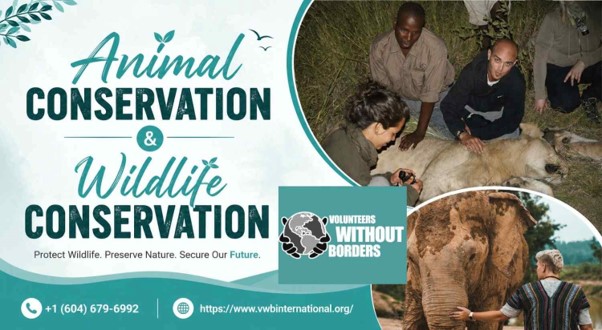
The world is filled with incredible animals that make nature vibrant and alive. From birds soaring across the sky to elephants walking through vast landscapes, every species plays a role in keeping ecosystems healthy and balanced. Yet many of these animals are facing growing threats that put their survival at risk. Habitat loss, pollution, climate change, and human activities continue to affect wildlife populations across the globe.
This is why animal Conservation has become one of the most important environmental efforts of our time. It is not simply about saving a few endangered species. It is about protecting the delicate balance of nature that supports life on Earth. When animals disappear, ecosystems become weaker, and the effects eventually reach people as well. Conserving wildlife is an investment in a healthier and more sustainable future for everyone.
Why Animals Are Important to the Environment
Every animal has a purpose within its ecosystem. Some animals help pollinate plants, while others spread seeds that allow forests to grow. Predators help control populations of other species, preventing imbalances that could harm the environment. Even small creatures that often go unnoticed contribute to the natural processes that keep ecosystems functioning properly.
When a species declines or disappears, the consequences can be far reaching. A change in one part of an ecosystem often affects many other plants and animals that depend on it. This chain reaction can eventually impact water quality, soil health, and food production. Nature is deeply connected, and every species plays a part in maintaining that connection.
Protecting animals is therefore about much more than preserving biodiversity. It is about maintaining the natural systems that support life and ensure the environment remains healthy for future generations.
The Biggest Threats Facing Wildlife Today
Wildlife around the world is facing challenges unlike anything seen before. One of the most significant threats is habitat destruction. As cities expand and forests are cleared for development, animals lose the places they need to find food, shelter, and raise their young. Many species struggle to adapt when their natural habitats disappear.
Pollution is another major concern. Plastic waste, chemicals, and contaminated water sources affect countless animals every year. Marine species are especially vulnerable as oceans continue to accumulate large amounts of waste. Animals can become injured, poisoned, or trapped by materials that do not belong in their environment.
Climate change is also having a serious impact on wildlife. Rising temperatures, changing weather patterns, and shifting ecosystems make survival more difficult for many species. Some animals are forced to migrate, while others cannot adapt quickly enough to changing conditions.
Illegal hunting and wildlife trafficking continue to threaten numerous species as well. Animals are often targeted for their skin, horns, feathers, or other body parts, creating additional pressure on already vulnerable populations.
This is one reason why wildlife conservation has become such an important global effort. Protecting animals also means protecting the natural systems that support life on Earth.
Why Wildlife Conservation Matters for Everyone
Many people think conservation only benefits animals, but the truth is that it benefits people, too. Healthy ecosystems provide clean air, clean water, fertile soil, and stable food supplies. These natural resources support communities and contribute to overall human well being.
Forests, wetlands, and oceans play a vital role in regulating the climate and protecting against natural disasters. When wildlife and habitats are preserved, these ecosystems can continue providing valuable services that people depend on every day.
Conservation also helps preserve the beauty and diversity of the natural world. Future generations deserve the opportunity to experience wildlife in its natural habitat rather than only seeing it in photographs or history books. Protecting wildlife today ensures that future generations can continue to enjoy and learn from nature.
How Individuals Can Make a Difference
Conservation is often seen as a responsibility for governments and environmental organizations, but individuals also have an important role to play. Small actions taken by many people can create meaningful change over time.
Reducing waste and recycling properly can help limit pollution that harms wildlife. Choosing sustainable products and supporting environmentally responsible practices can reduce pressure on natural habitats. Conserving water and energy also contributes to a healthier environment.
Learning about local wildlife and sharing that knowledge with others helps build awareness and appreciation for conservation efforts. Education is one of the most powerful tools for creating long term change because it encourages people to make informed choices.
Supporting conservation initiatives, participating in community cleanups, and respecting wildlife when visiting natural areas are additional ways to make a positive impact. Every action, no matter how small, contributes to the larger goal of protecting the natural world.
Looking Toward a Better Future
There is still hope for many species and ecosystems around the world. Conservation efforts have already helped protect endangered animals, restore habitats, and raise awareness about environmental challenges. Success stories show that positive change is possible when people work together toward a common goal.
The future of wildlife depends on the choices made today. Protecting animals and their habitats requires commitment, education, and a willingness to act responsibly. While the challenges are significant, they are not impossible to overcome.
Final Thoughts
Animal conservation is about preserving the rich diversity of life that makes our planet unique. Every species has value, and every ecosystem depends on balance. By protecting wildlife and natural habitats, we help create a healthier environment for both animals and people.
The responsibility belongs to all of us. Whether through small daily actions or larger conservation efforts, everyone has the ability to contribute. When people choose to care about wildlife, they help ensure that future generations inherit a world filled with the beauty, wonder, and diversity that nature has always provided.


Leave a Reply