
Organising a successful event takes more than choosing a venue and inviting guests. Every detail, from sound and lighting to staging and technical support, plays a part in creating a smooth and enjoyable experience. Whether it is a business conference, product launch, wedding, exhibition, or community gathering, good planning helps everything come together at the right time. Choosing the right Event Production Canterbury support can make the process easier by bringing different technical services together under one organised plan. It also allows organisers to focus on their guests while experienced technicians manage the equipment and behind-the-scenes work.
A well-planned event should feel natural to the audience, even though many technical details are happening behind the scenes. Speakers need clear microphones, presentations must appear properly on screens, and lighting should suit the atmosphere. If one part of the setup fails, it can affect the entire programme. Professional event production helps reduce these risks through careful preparation, suitable equipment, and technical coordination. It also gives organisers a clearer understanding of what their event needs, making it easier to manage budgets, schedules, and expectations.
Before arranging equipment or confirming suppliers, take time to understand the purpose of the event. A business conference may need presentation screens, microphones, stage lighting, and live streaming, while a product launch could require display areas, background visuals, and carefully planned lighting effects. Guest numbers, venue size, programme timing, and audience expectations should all influence the plan. Writing down these requirements helps avoid confusion later and makes communication with suppliers much easier. It is also useful to prepare a schedule that includes setup, sound checks, rehearsals, guest arrival, and pack-down time.
Clear sound is one of the most important parts of any successful event. Guests should be able to hear speakers and performers without struggling with background noise, echo, or microphone feedback. A small meeting room may need only a basic speaker and microphone setup, while a large conference hall could require several speakers, wireless microphones, and a sound mixing system. Outdoor events may need additional equipment to cover a wider area. The technical team should consider the venue layout and audience size before recommending a setup. Testing the sound before guests arrive can also prevent interruptions during important moments.
Screens, projectors, LED displays, and presentation systems help communicate information in a clear and interesting way. They are especially useful for conferences, training sessions, exhibitions, and corporate presentations where visual content supports the main message. However, choosing the right display equipment is only one part of the process. Screen placement, viewing distance, brightness, resolution, and room lighting all matter. Organisers should check that people sitting at the back can read the content comfortably. It is also worth testing presentation files, video playback, and laptop connections before the programme begins.
Lighting can completely change the look and feel of an event space. Bright and balanced lighting works well for conferences and business meetings because it helps people see speakers and presentation materials clearly. Softer colours may suit evening functions, award ceremonies, and celebrations, while focused stage lighting can draw attention to performers or important announcements. The goal is to choose lighting that supports the event rather than distracts from it. Organisers should discuss the venue, stage design, event theme, and photography requirements with the technical team to create a suitable arrangement.
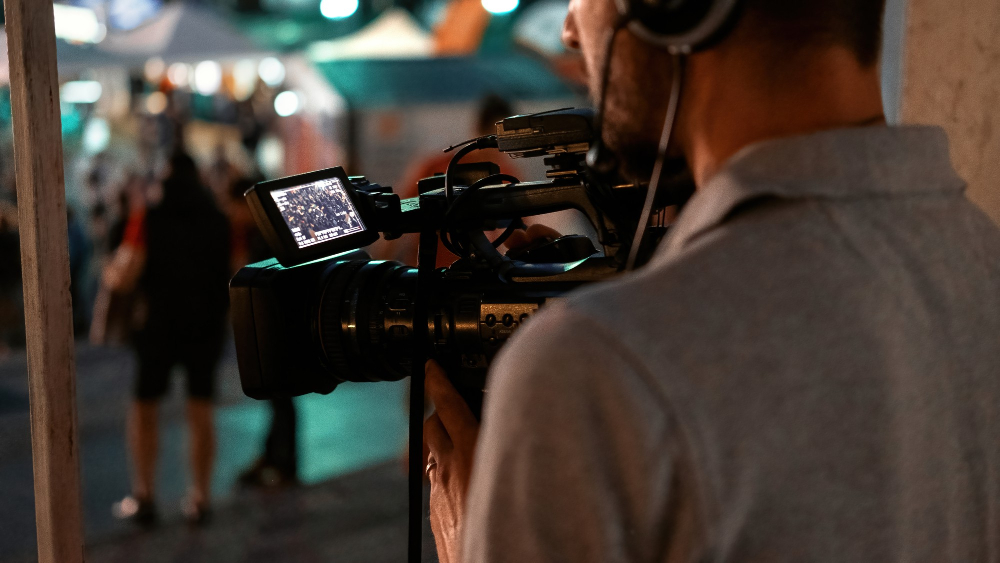
Many organisations now want to reach people who cannot attend an event in person. Live streaming makes this possible by allowing remote audiences to watch presentations, discussions, and special sessions online. Hybrid events can also include online questions, recorded sessions, and digital presentations. However, streaming requires more than a camera and an internet connection. Camera positions, audio quality, lighting, internet stability, and backup arrangements all need attention. A technical rehearsal is particularly important because it allows the team to check the full setup before the live programme starts.
Having one team coordinate different technical requirements can make event preparation more manageable. Instead of dealing with separate arrangements for sound, lighting, screens, staging, and streaming, organisers can discuss how these services should work together. This approach helps reduce communication gaps and makes it easier to solve problems when plans change. Local knowledge can also be useful when working with different venues across Canterbury and the wider South Island. A team familiar with event spaces, access arrangements, and technical requirements can help organisers make practical decisions before the event day.
Even the best equipment needs proper testing before an event begins. A microphone may need adjustment, a presentation laptop may require a different connection, or a lighting position may need changing. Leaving these tasks until guests arrive can create unnecessary pressure. A full technical check should cover sound levels, display connections, lighting, camera positions, internet access, and any special effects included in the programme. If possible, arrange a rehearsal with presenters or performers so they understand how to use the equipment. A little preparation can make a big difference to the final experience.
A memorable event is usually the result of many small details working together. Good planning, suitable equipment, reliable technical support, and enough time for testing help create an experience that feels organised from beginning to end. Whether you are arranging a small business meeting or a large public gathering, think about the needs of your audience before making technical decisions. When sound, visuals, lighting, and staging work together, they help deliver a more engaging event and leave guests with a positive impression.


Leave a Reply