
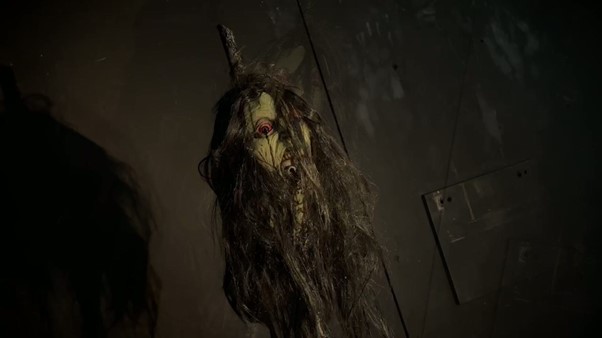
There is something unforgettable about walking into a Halloween setup that actually feels alive. The lighting feels strange, the sounds seem too close, and every corner makes people hesitate before moving forward. That kind of reaction does not happen because of fake cobwebs alone. It comes from building atmosphere slowly and making every detail work together naturally.
A lot of home haunters and event decorators focus only on decorations, but realistic horror scenes are more about emotion than objects. The goal is not just to make a space look scary. It is about creating tension that feels believable. That is where large animated halloween props can completely change the experience. Movement instantly grabs attention because people naturally react to things that seem alive. Even a small motion in a dark corner can make a room feel unsettling in the best possible way.
One mistake many people make is mixing too many horror ideas into one setup. A graveyard beside a butcher room beside a clown scene usually feels confusing instead of immersive. The strongest horror scenes stick to one story and build around it naturally.
Think about the feeling you want people to experience when they enter the space. Maybe it is an abandoned asylum with flickering lights and rusted tools. Maybe it is a swamp creature hidden in the fog. Maybe it is a haunted carnival where every sound feels wrong. Once the theme feels clear, every prop and sound starts working together instead of competing for attention.
A realistic horror setup works best when visitors feel like they stepped into a different world instead of simply walking through decorations. Keeping colors, sounds, and textures connected to one idea helps create that feeling naturally.
Lighting Does More Work Than People Realize
Good lighting can make average props look incredible, while bad lighting can ruin even the most detailed setup. Horror works best when people cannot fully see everything at once. Shadows create mystery, and mystery creates tension.
Instead of bright white lights, softer colored lighting usually creates a better effect. Deep reds, dull greens, and cold blue tones tend to make spaces feel more cinematic and uncomfortable. Another useful trick is keeping certain parts of the room darker than others. People naturally stare into shadows trying to figure out what is there, and that anticipation builds fear before any scare even happens.
Sound Makes the Scene Feel Alive
A realistic horror scene should never feel silent. Even subtle sounds can completely change the mood. Distant whispers, metal scraping, dripping water, or slow footsteps all create tension because they make the environment feel active.
The important thing is avoiding nonstop loud noise. Constant screaming effects become annoying quickly. Quiet background audio tends to feel much more believable and unsettling. Sometimes a slow creaking sound works better than a jump scare because it keeps people nervous the entire time.
Spacing speakers throughout different parts of the setup also helps create movement and direction. Visitors become more alert when sounds seem to travel around them naturally.
Use Movement Carefully for Bigger Reactions
The best scares usually happen when movement feels unexpected. If every prop moves constantly, visitors quickly stop reacting because the brain adapts too fast. That is why timing matters so much.
A slow head turn in the background often creates more fear than nonstop aggressive motion. Small realistic actions feel human, and that makes people uncomfortable in a deeper way. This is one reason large animated halloween props stand out so much in modern haunted displays. When movement feels heavy and lifelike, the entire scene suddenly feels more believable.
Placement matters too. Try positioning animated pieces near hallway corners or narrow walkways where people naturally lower their guard. Those moments create the strongest reactions because visitors are already focused on moving through the space.
Creating realistic horror scenes is really about building emotion step by step. The best setups do not rely on nonstop jump scares or giant piles of decorations. They create atmosphere through movement, lighting, sound, and storytelling that all feel connected. When every detail works together naturally, visitors stop feeling like they are looking at Halloween decorations and start feeling like they stepped into another world for a few minutes.



Leave a Reply