
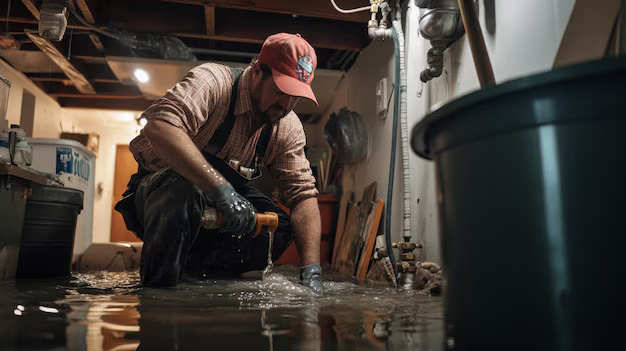
You know that sinking feeling when you open a closet door and catch a whiff of must, or you feel a damp corner that wasn’t there before? It’s like your house suddenly has this secret it’s been holding onto, and you’re the last to know. Water damage doesn’t have to be dramatic to be serious — a slow leak from a busted pipe, a heavy storm that overwhelms your drainage, or a malfunctioning appliance can slowly turn into a headache you’d rather avoid. If you live around Upper Marlboro, MD, you’re probably familiar with how unpredictable the weather can be and how quickly water can throw a wrench into your day.
Let’s chat about what water damage actually means for your space, how to make sense of it as it happens, and some straightforward ideas for handling it without getting overwhelmed.
So here’s the thing — water damage doesn’t always roar in like a flood. Sometimes it trickles, and you catch it by noticing tiny things first. Maybe your wallpaper is peeling at the corners, or the carpet feels oddly heavy and cold in a spot it shouldn’t. Maybe your paint gets those weird bubbles, or you catch that smell that’s sort of damp and stubborn. These are the little hints that something’s up and shouldn’t be brushed off. Leaving hidden moisture alone can let mold start to take hold and can make the problem worse over time.
Feeling anxious about it is normal — and that’s exactly why it helps to talk about it instead of ignoring it.
Once water really gets going inside your walls or under your floors, it’s not just about the puddles you can see. Water works its way into places you can’t easily reach, like under the drywall or deep underboards. That’s when you start worrying about things like warped floors, musty odors that won’t go away, or even mold growth that makes the air feel gross to breathe. Using the right tools to sniff out moisture and get rid of it matters big time, because if moisture stays, it keeps damaging and weakening your home’s structure.
One thing people often find surprising is that the real battle isn’t just getting rid of visible water, it’s making sure the hidden stuff is dried out too. Fans and towels only help so much. Industrial dehumidifiers and air movers are what really pull moisture out of the deeper layers.
Let’s be honest — when you’re knee-deep in stress because your basement or laundry room is basically a pond, you think about help as a lifesaver, not a luxury. That’s where a water restoration service in Upper Marlboro, MD comes into play. They’re the crew that knows how to walk into a soggy situation and methodically get your place back on track. They don’t just pump out water; they dry things thoroughly, check for hidden moisture, and tackle cleanup in a way that stops mold and smell before both take over.
From what lots of folks find helpful is that they don’t just show up with hoses. There’s a process — they’ll inspect the damage, figure out how bad it is, pull out water, run industrial-grade drying gear, sanitize what needs to be cleaned, and help repair what got damaged. They’re no strangers to drywall fixes, flooring issues, or getting stubborn damp spots banished for good.
So how can you help the situation even before the pros arrive? Here’s some real talk from people who’ve been there:
These actions don’t replace professional drying and restoration, but they do make the next steps easier and less chaotic.
Living through water damage feels unreal until it hits your house. It’s like suddenly your home feels unfamiliar and a little disappointing. But here’s the good thing — most of the time it’s fixable. It might take a little time and a few tools you’ve never had to think about, but you can come out the other side with a dry, stable space again.
Talking it through with someone who’s seen it — who’s walked into basements under a couple of feet of water and walked out with a plan — really helps. Knowing what signs to look for, what steps to take first, and what comes next gives you some control back when everything feels messy.
And remember, every bit of water you get out of your home is one less spot for mold, smell, or rot to set in. Start little, keep breathing, and tackle one thing at a time. You’ve handled surprises before, and you can handle this, too.


Leave a Reply